
Single-family residence appraisals in Phoenix for mortgage transactions, private sales, insurance settlements, and legal proceedings where accurate valuation is required
A completed single-family appraisal delivers more than a number—it delivers a documented, defensible valuation supported by adjusted comparable sales, site analysis, and improvement-level detail that withstands lender, legal, and insurance scrutiny. Appraisal Source produces these reports for the full spectrum of single-family residential properties across Maricopa and Pinal counties, from master-planned tract homes to custom estates and urban infill properties. The clients who need this work include mortgage lenders, private buyers and sellers transacting without lender involvement, developers assessing resale value on completed product, insurance agencies handling replacement or settlement claims, and attorneys managing estate disputes or divorce proceedings.
Accurate single-family valuation depends on how well the appraiser identifies and adjusts for the specific features that affect what buyers actually pay. Square footage differences between the subject and comparables require market-derived adjustments—not rule-of-thumb dollar figures applied uniformly. Lot positioning matters in ways that vary by neighborhood: a home backing to a major arterial in a Phoenix suburb typically requires a negative locational adjustment, while a cul-de-sac position or backing-to-open-space lot commands a premium that must be supported by paired sales analysis. Upgrades like kitchen remodels or added pool features only contribute value to the extent the local market has demonstrated buyers will pay for them, which varies significantly across price tiers and submarkets within Maricopa County.
Arrange a property review to discuss the appraisal scope and the specific valuation purpose that applies to your home.
What Proper Single-Family Appraisal Requires
The appraisal process for a detached residence begins with a physical inspection that documents gross living area, construction quality, condition rating, site characteristics, and the presence of any non-permitted improvements. Non-permitted additions—a room built without a building permit—require careful treatment in the appraisal because they may contribute physical square footage that lenders cannot include in the living area calculation, and some buyers discount properties carrying open permit or unpermitted work. That inspection data then drives comparable selection, where the appraiser identifies recent closed sales of similar homes and applies line-item adjustments for every meaningful difference between each comparable and the subject property.
Once the report is finalized, clients receive documentation that reflects the property's current market position with adjustments that are traceable to actual market data. Private non-lender clients—developers, attorneys, and insurance agencies—often receive appraisals structured under different intended-use language than a standard mortgage report, because the audience and liability framework differ. Appraisal Source configures the assignment scope and certification language to match the intended user from the beginning, which prevents report misuse and keeps the appraisal defensible in its intended context.
Properties requiring more complex analysis include custom homes where no direct comparable sales exist, older infill properties with non-standard layouts, and homes with significant deferred maintenance that affects both condition rating and comparable selection. Each of these situations calls for additional commentary within the report explaining the appraiser's reasoning—not boilerplate language, but property-specific analysis that a reviewer can follow and evaluate independently.
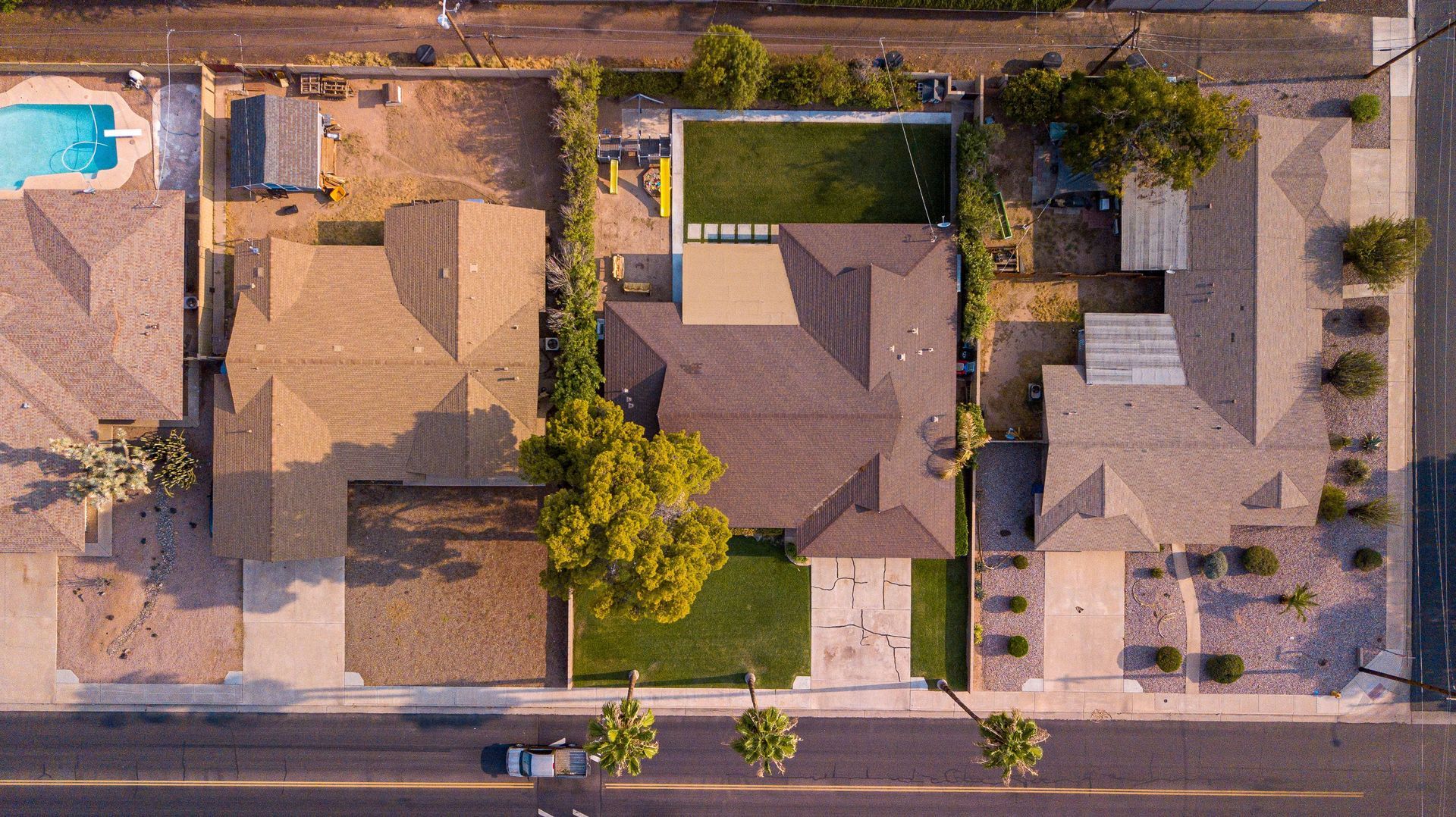
What Homeowners and Professionals Usually Ask
Single-family appraisals serve multiple purposes, and the intended use affects both the process and the report format. The questions below address what clients most commonly ask before ordering a residential valuation.
How does the appraiser select which comparable sales to use?
Comparables are selected based on proximity, recency of sale, similarity in size and style, and market segment alignment—in fast-moving areas of Maricopa County, an appraiser may weight a sale from three months ago more heavily than a six-month-old sale if the market shifted meaningfully in that period.
What is the difference between a mortgage appraisal and a private appraisal?
A mortgage appraisal is ordered by a lender and must conform to their underwriting guidelines and federal standards, while a private appraisal is ordered by an individual, attorney, insurance company, or developer and can be structured for the specific intended use without lender-driven format requirements.
Why do upgrades not always increase appraised value dollar-for-dollar?
Appraisers measure upgrade value by what the local market actually pays, not by renovation cost—a high-end kitchen remodel in a neighborhood where similar homes sell at a lower price tier will contribute less value than the same renovation in a luxury submarket where buyers expect and pay for those finishes.
How does lot positioning affect a single-family appraisal?
Lot position is a distinct line-item adjustment in the sales comparison—backing to a busy road, a greenbelt, or a neighbor's wall each affects marketability differently, and the appraiser uses paired sales from the same neighborhood to quantify what buyers in that specific market pay or discount for each condition.
When should an attorney or estate executor order a private appraisal rather than using a tax assessment?
Tax assessments are mass-appraisal estimates calculated for an entire jurisdiction and are not intended to reflect individual market value—attorneys and executors handling estates, divorces, or legal disputes require a certified appraisal that reflects the property's specific condition and current comparable sales as of a defined effective date.
Appraisal Source handles single-family assignments across both counties for lenders, private clients, and professional firms that need reliable, well-documented residential valuations. Contact the office with your property address and intended use to begin the appraisal process.