
Condominium and townhome appraisals in Phoenix for purchase transactions, refinances, and private valuation needs where HOA structure and project approval status affect value
Condominium and townhome markets in the Phoenix metro operate under a distinct set of valuation rules that single-family comparable analysis doesn't capture. HOA fees, project approval status, floor elevation, and access to shared amenities all affect what buyers pay—and what lenders will finance. Appraisal Source handles attached residential appraisals across Maricopa and Pinal counties, providing valuations for mortgage transactions, private non-lender clients, and professional engagements where the nuances of condominium ownership structure matter to the final number.
The core difference between a condo appraisal and a detached home appraisal begins with how comparable sales are selected and adjusted. Appraisers must identify sales from within the same project or development when possible, because units in the same complex share the same HOA fee structure, amenity package, and project approval status—factors that don't exist in a single-family context. When same-project sales are insufficient in number or recency, the appraiser expands to competing projects with similar physical and financial characteristics, then adjusts for differences in monthly HOA obligations and amenity access. A $200-per-month HOA differential between two otherwise similar complexes represents a meaningful buyer cost that must be reflected in the analysis, not ignored.
Schedule a consultation to discuss the specific project and unit type involved in your appraisal assignment.
Why HOA Structure and Project Approval Drive Condo Value
For units in projects that require lender approval—such as FHA-approved or conventional project certifications—the appraisal process includes a review of the project's legal and financial status. Lenders require confirmation that the project meets agency guidelines before approving financing, and an appraiser working in this context must identify whether the development carries active approval, requires a limited review, or falls into a category that restricts financing options. Units in non-warrantable projects—those with high investor concentration, pending litigation, or HOA budget deficiencies—face a narrower buyer pool, which directly affects supportable market value even when the physical unit is identical to one in a fully approved building.
After the appraisal report is completed, clients will see each unit characteristic addressed with specific attention to floor level, interior vs. exterior unit position, parking type, and storage allocation—details that buyers and investors in attached housing actually negotiate over. High-rise units in urban Phoenix submarkets reflect a meaningful price gradient between lower and upper floors, and that gradient must be supported by comparable data rather than assumed. Active-adult communities carry additional nuance because age-restriction covenants limit the eligible buyer pool, which affects absorption rates and influences how tightly paired the comparable sales must be.
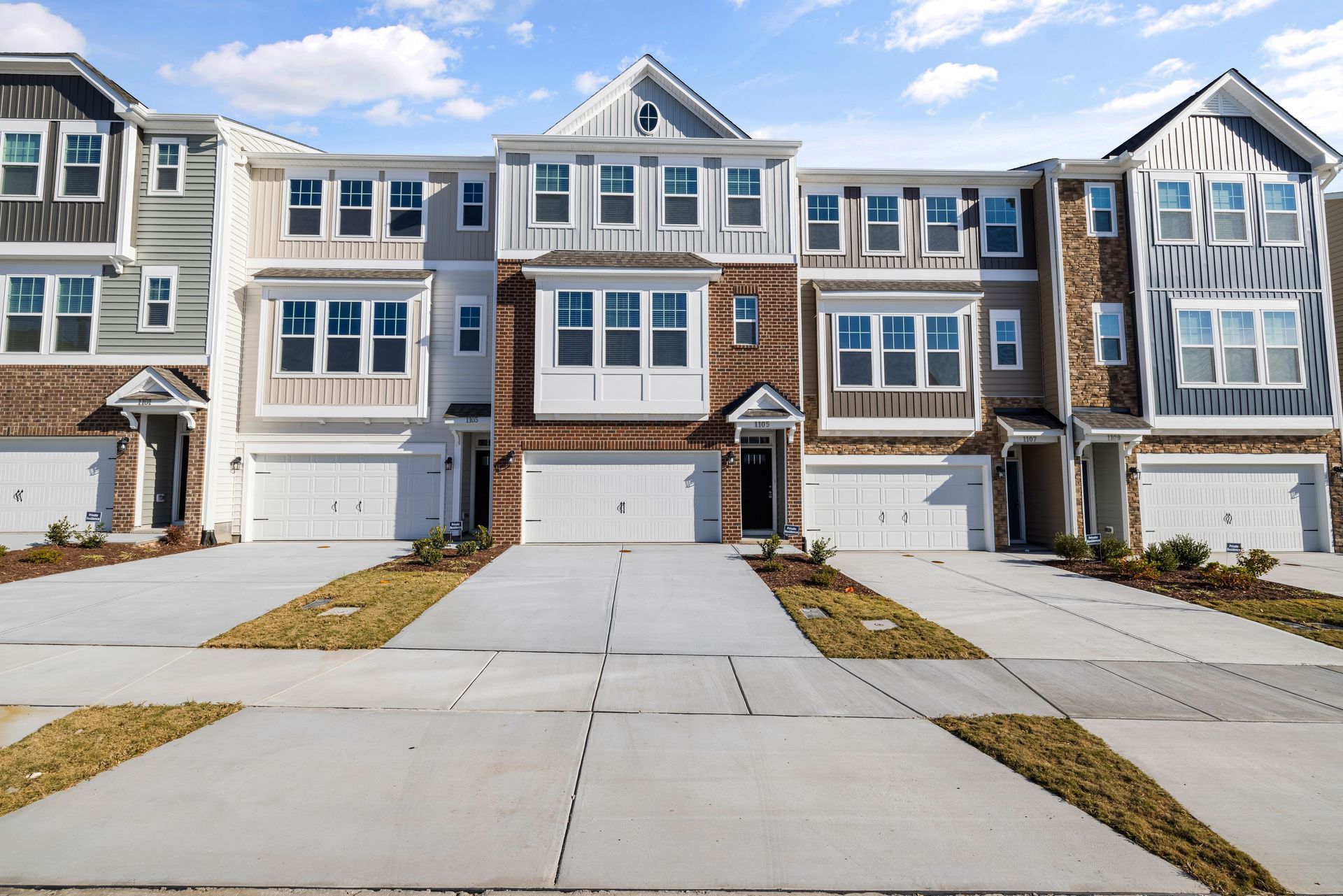
Townhome units present a separate set of considerations: they typically convey a land interest, which changes both ownership structure and comparable search criteria compared to a stacked condo. The distinction between a fee-simple townhome and a condominium with a townhome-style layout affects which sales qualify as true comparables and how the HOA obligations are interpreted in the valuation. Appraisal Source identifies these structural ownership differences at the assignment intake stage rather than mid-report, which prevents analytical errors that can delay closings or weaken the appraisal's defensibility.
Answers to Frequent Condo Appraisal Questions
Buyers, owners, and professionals ordering condo and townhome appraisals frequently encounter questions that don't arise with single-family homes. The following covers the most common points of confusion in this property category.
How do HOA fees factor into a condo appraisal?
Monthly HOA fees represent a real ongoing cost that affects buyer affordability and market demand—appraisers account for fee differentials between comparable projects by adjusting for the present value of that cost difference, which is reflected as a line-item adjustment in the sales comparison rather than ignored.
What does project approval status mean for a condo appraisal?
Project approval refers to whether the condominium development meets lender or agency guidelines for financing—projects with litigation, insufficient reserve funding, or high non-owner-occupant ratios may not qualify, which limits the buyer pool and can suppress market value compared to units in approved projects nearby in Maricopa County.
Why does floor level affect a high-rise condo's appraised value?
Buyers in high-rise buildings consistently pay premiums for upper-floor units based on view, noise isolation, and privacy—appraisers document this premium through paired sales analysis from within the same building or comparable high-rise projects, producing an adjustment supported by actual market evidence rather than assumed percentages.
How are townhome appraisals different from standard condo appraisals?
Townhomes often include a fee-simple land interest and an attached-but-separate structure, which changes both the ownership framework and comparable selection criteria—an appraiser must confirm ownership type from the title documents before selecting sales, since mixing fee-simple and condominium comps produces an unreliable value conclusion.
When is a condo appraisal needed outside of a mortgage transaction?
Private parties order condo appraisals for estate settlements, divorce proceedings, pre-listing price decisions, and HOA disputes—in these cases, the appraisal is structured for the specific intended user and effective date rather than lender underwriting requirements, and the report format reflects that distinction.
Appraisal Source completes condominium and townhome assignments with attention to the project-level details that determine whether a valuation holds up under lender, legal, or private review. Provide the unit address and intended use to begin your appraisal request.